
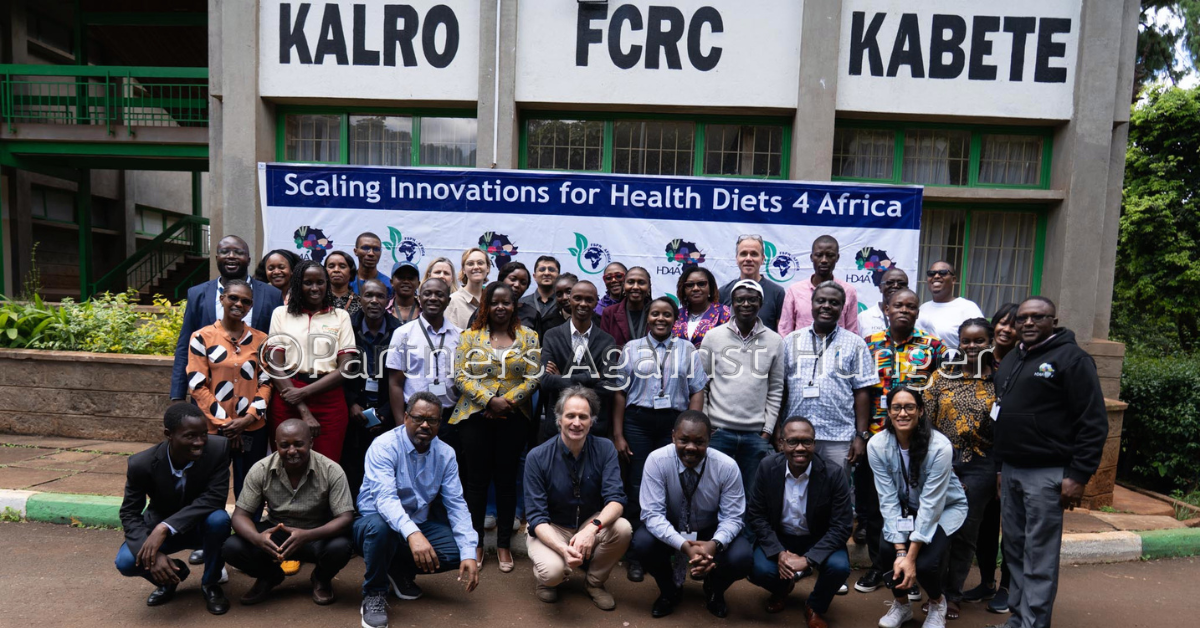
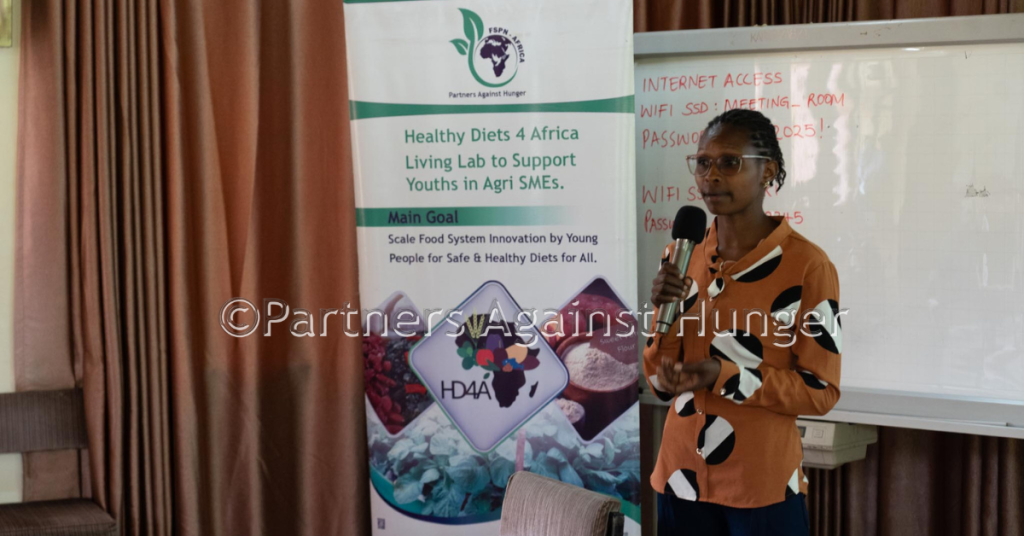
The HealthyDiets4Africa (HD4A) Midterm Workshop, held from 23rd to 27th March 2026 in Kenya, brought together a diverse community of researchers, innovators, and consortium partners united by a common goal—transforming Africa’s food systems to deliver healthier diets for all. At the heart of this convening was 25th March 2026 at KALRO Food Crops Research Centre (FCRC) Kabete, where FSPN Africa spearheaded a dynamic, innovation-driven program that brought the project’s impact to life.
The workshop, convened under the theme of combating malnutrition through diversification of food systems, provided a platform to reflect on progress, share lessons, and accelerate solutions aimed at improving nutrition and food safety across Africa.
What makes KALRO FCRC Kabete a true Living Lab for innovation?
The event at KALRO Kabete was more than just a workshop—it was an immersive Living Lab experience, demonstrating how research, innovation, and community engagement can intersect to drive real change. Under the leadership of Dr. Caroline Kundu Agamala, Director of KALRO FCRC Kabete, the centre continues to serve as a critical hub for co-creation, testing, and scaling of food and agricultural innovations.
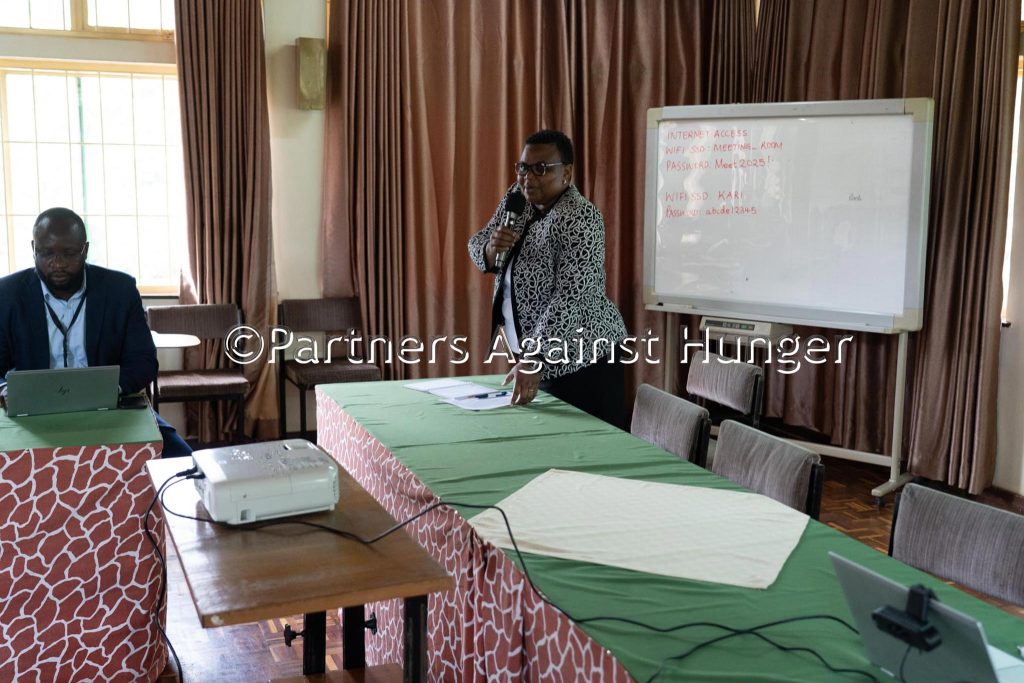
Participants were welcomed into an environment where ideas are not only discussed but actively demonstrated—from urban farming models to nutrition-sensitive food innovations. This hands-on approach reinforced the importance of Living Labs as platforms for learning by doing, enabling partners to better understand how solutions can be adapted and scaled in real-world contexts.
What is the Leadership and Vision for Africa’s Food Systems
The session opened with remarks from Dr. Caroline Kundu Agamala, whose warm welcome and commitment to collaboration set the tone for the day. Prof. Michael Frei, HD4A Project Coordinator gave his remarks acknowledging the role of research and innovations through the HD4A project in bridging the existing gaps to enhance food and nutrition security in Africa, especially in Sub-Saharan Africa and Kenya. This was followed by a compelling keynote from Mr. Kalvince Otieno, Regional Director at FSPN Africa, who emphasized the urgency of building resilient, inclusive, and nutrition-focused food systems.
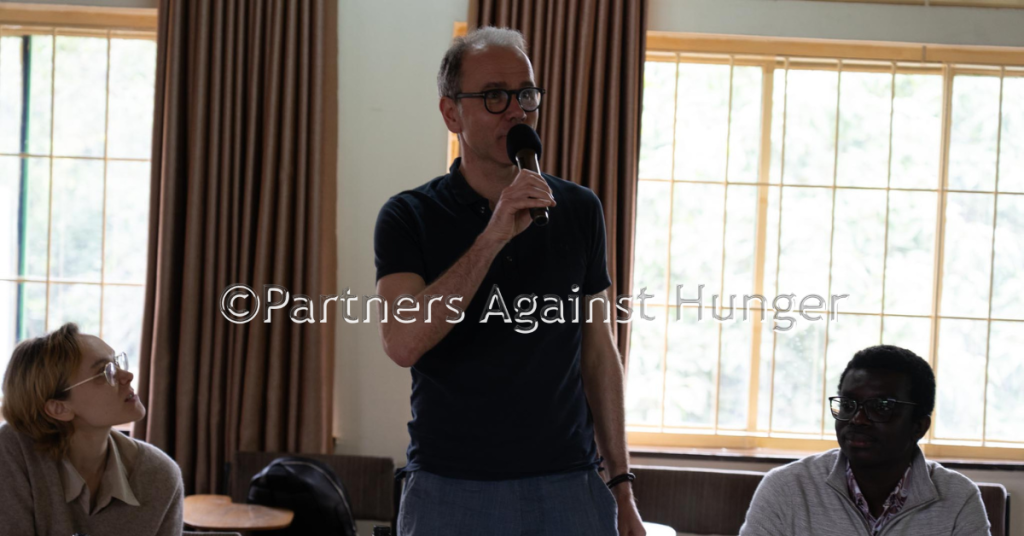
He also shared the historical journey and how our strategic approaches, Research and development, partnerships and collaborations, community engagement and technology and innovations have resulted to tremendous growth of the organization and led to winning of several awards and recognitions at national, regional and global capacities.
His address underscored a critical reality: Africa’s food challenges cannot be solved in silos. Instead, they require integrated approaches that empower youth and women, strengthen local value chains, and connect innovation to markets.
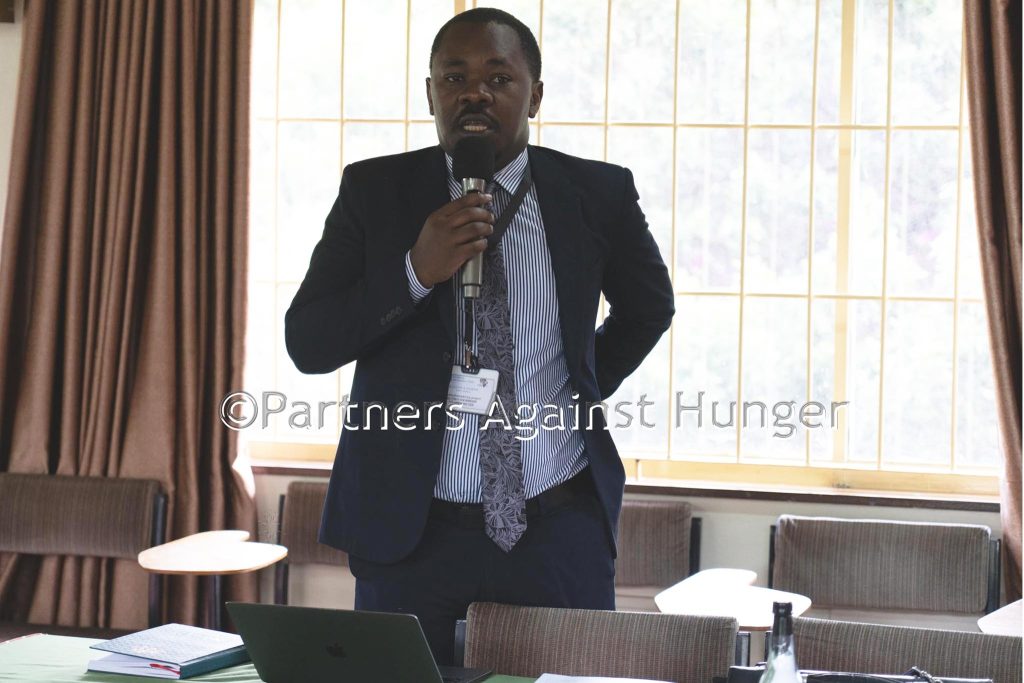
He also empasized on the huge investment needed to support the dire need for financial investment in innovations by youth to make agriculture a profitable venture while achieving food security and strengthening sustainable food systems.
How is FSPN Africa Driving Impact within HD4A
A key highlight of the day was the presentation by Mr. Arthur Wamani, FSPN Africa Project Coordinator, who provided a comprehensive overview of FSPN’s contributions to the HD4A project. Through its work under Work Packages 6 and 8, FSPN Africa has focused on enhancing food safety awareness and scaling agribusiness innovations across Kenya and beyond.
Their impact is already tangible. Over 460 consumers and 32 frontline health workers have been sensitized on food safety risks such as mycotoxins and contaminants, while Living Labs in Nairobi and Makueni have been established as hubs for community learning and innovation. At the same time, FSPN has trained over 100 agro-innovators, equipping them with practical skills in business development, product design, and market readiness.
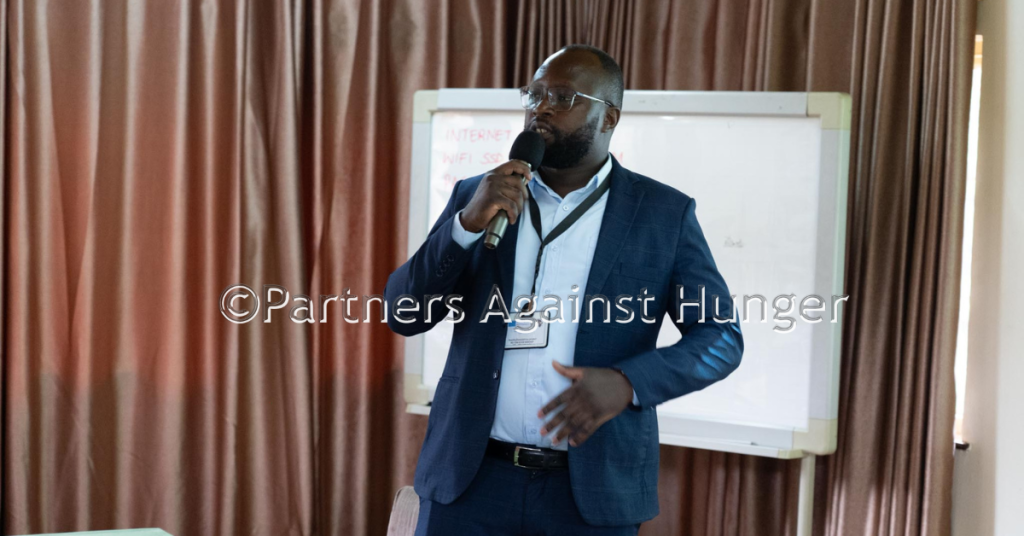
Central to this effort is the Agribusiness Accelerator Program, which combines training, mentorship, and exposure through exhibitions and pitch competitions—creating a pipeline of investment-ready, impact-driven enterprises.
How is digital learning accelerating food systems transformation?
A key milestone during the HD4A Midterm Workshop was the official launch of the Community Virtual Hub (CVH)—a digital learning platform designed to scale knowledge, skills, and innovation across Africa’s food systems. The platform was formally presented to the HD4A Consortium and also played a practical role during the event by hosting online participants, ensuring inclusive engagement beyond physical attendance.
Accessible via https://learn.cvh.africa/, the CVH is a dynamic e-learning platform offering both self-paced courses and live interactive sessions, tailored to diverse stakeholders across the food system. Developed with support from the European Union, the platform is set to host learning programs for both the HealthyDiets4Africa (HD4A) and INNOECOFOOD projects, reinforcing its role as a central knowledge hub for EU-funded food system initiatives.
Within the HD4A project, the CVH will be instrumental in training agro-innovators under the Agribusiness Accelerator Program, equipping them with critical skills in business development, product positioning, and investor readiness. Beyond entrepreneurs, the platform will also target a wide range of stakeholders, including consumers, food handlers, producers, processors, and local government actors—through targeted courses on food safety. These trainings will focus on raising awareness and building capacity to prevent and mitigate risks associated with mycotoxins, toxic elements such as heavy metals, and acrylamide, contributing to safer and healthier diets.
Under the INNOECOFOOD project, the CVH will support the training of Trainers of Trainers (ToTs) within the ECOHUB model. The focus here will be on sustainable production, processing, and marketing of nutrient-rich and climate-smart food sources, including fish (tilapia and catfish), spirulina, and edible insects such as black soldier fly, crickets, and locusts. Additionally, the platform will promote innovative waste upcycling approaches to enhance efficiency and sustainability within aquaculture systems.
Importantly, the CVH is designed as an open and collaborative platform, allowing external trainers and institutions to host and deliver their own courses. This positions it not just as a project tool, but as a long-term digital ecosystem for knowledge exchange, capacity building, and scaling impact across Africa’s food systems.
What innovations are transforming HealthyDiets4Africa today?
The workshop’s innovation showcase and pitching sessions provided a powerful demonstration of how local entrepreneurs are addressing some of the most pressing challenges in Africa’s food systems.
Ryan’s Foods Kenya, the overall winner of the HD4A Agribusiness Challenge 2026, is tackling the intersection of food insecurity, time poverty, and poor nutrition. Their solution—nutritious, pre-cooked instant uji mixes made from locally sourced maize, sorghum, soybeans, and orange-fleshed sweet potatoes—offers consumers a quick, affordable, and nutrient-dense meal option. By reducing cooking time and energy use, the product also addresses environmental concerns linked to traditional cooking methods.
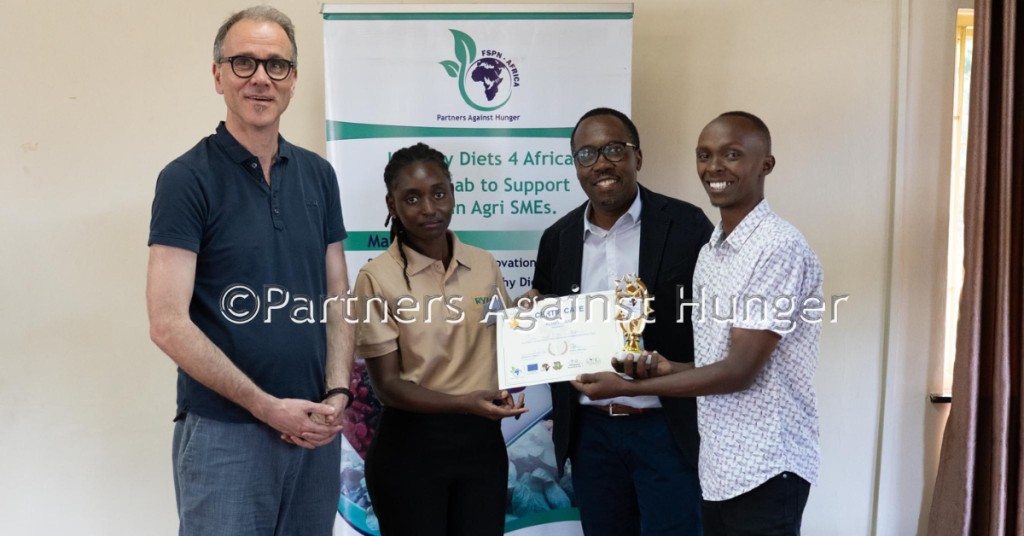
Beyond convenience, Ryan’s Foods is creating a ripple effect across the value chain, supporting smallholder farmers and improving livelihoods. With growing traction, including retail partnerships and media recognition, the enterprise is now seeking investment to scale production, logistics, and market reach.
Asili Farm Africa, recognized as 1st runners-up, is championing the transition to organic, regenerative agriculture. Through the production of biofertilizers and biopesticides such as Boma Boost and Kifaru Boost, they are addressing the harmful effects of synthetic inputs—ranging from soil degradation to health risks and reduced farmer incomes.
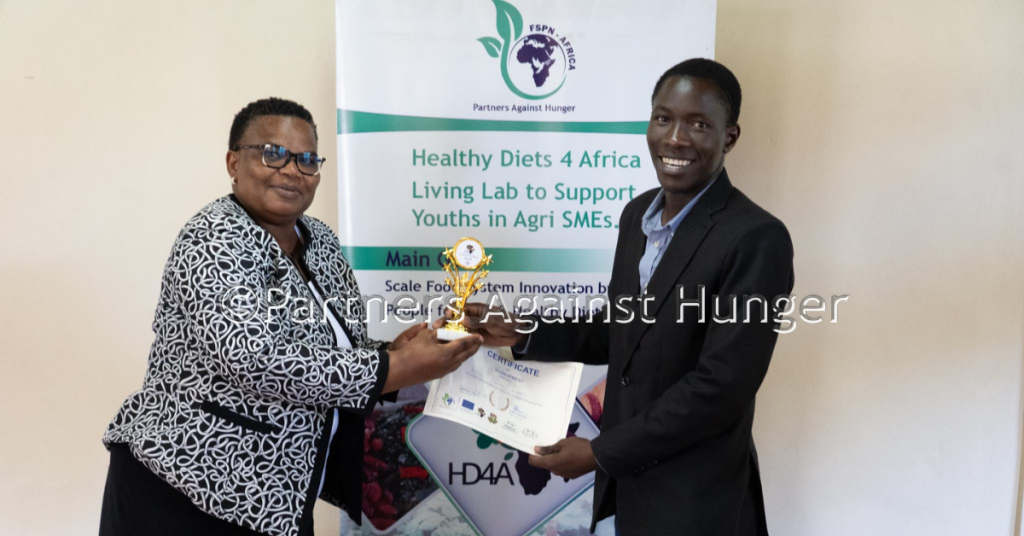
Their nature-based solutions not only restore soil health and biodiversity but also enable farmers to produce safer, chemical-free food that meets rising consumer and export market demands. By combining product innovation with farmer training, Asili Farm Africa is building a pathway toward sustainable, profitable agriculture, supported by a clear plan to scale through targeted investment.
Momix Enterprises, the 2nd runners-up, is reimagining the snack industry by turning a major agricultural challenge—post-harvest losses of sweet potatoes—into a market opportunity. Their product, Crunchy Roots sweet potato crackles, made from sweet potatoes and ripe bananas, offers a healthy, gluten-free, high-fiber snack alternative in a market dominated by highly processed foods. By extending shelf life and creating value-added products, Momix is reducing food waste while increasing farmer incomes. Their presence in multiple supermarkets signals strong market demand, and their next phase of growth is focused on scaling production to meet this demand.
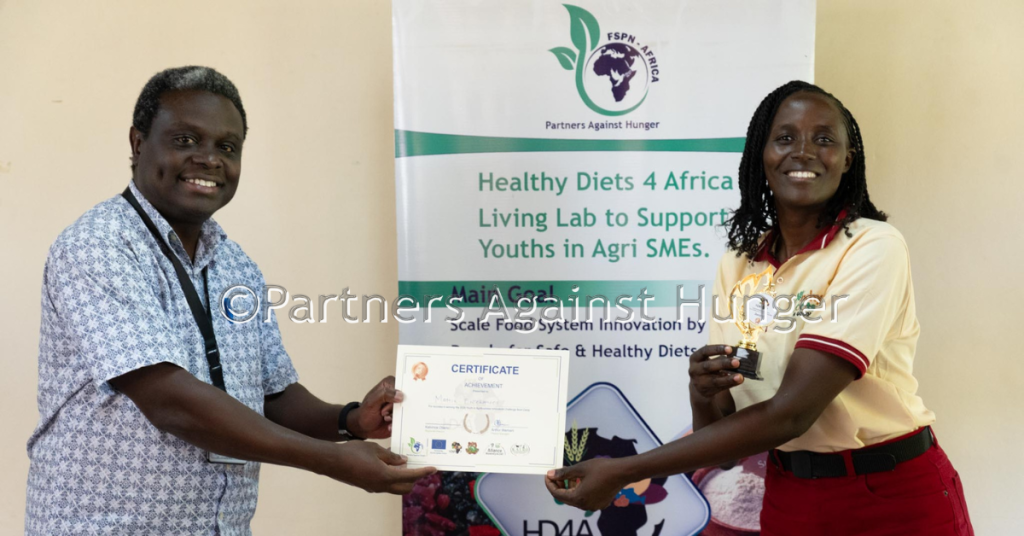
The 3rd runners-up, Nyakazi Organics and Empire Innovations, showcased equally compelling solutions rooted in sustainability and efficiency.
Nyakazi Organics is addressing the dual challenge of post-harvest losses and limited access to nutritious foods by producing dried and frozen African Indigenous Vegetables such as amaranth, spider plant, and black nightshade. These products significantly extend shelf life—up to 15 months for dried vegetables—while preserving their rich nutritional value.
By delivering ready-to-cook, affordable, and chemical-free options, Nyakazi is meeting the needs of urban consumers while supporting smallholder farmers and creating employment for youth. With projected growth in both production and revenue, the enterprise is seeking investment to scale its operations and deepen its impact.
Empire Innovations, on the other hand, is tackling inefficiencies in post-harvest handling through its multi-purpose chain thresher. Designed to be affordable, portable, and versatile, the machine can process multiple crops, including sorghum, millet, and pulses. By replacing labor-intensive traditional methods, it significantly reduces time, minimizes grain losses, and improves product quality, ultimately increasing farmers’ incomes. Already impacting hundreds of farmers and households, Empire Innovations is on a clear trajectory to scale its technology and reach thousands more across the region.
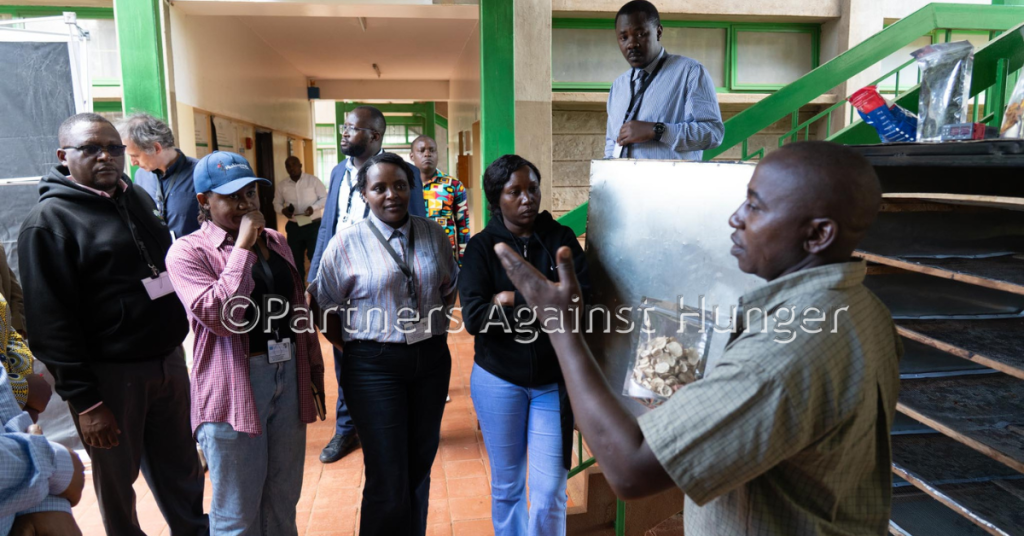
Also Read: Hands-On Solar-Gas Dryer Fabrication: Albanus’ HD4A Experience ...
How is research being translated into real-world solutions?
The success of the Living Lab experience was further strengthened by the contributions of Esther Muriuki, Food Security Policy and Management experty, Fabian Kaburu-Agricultural Engineer Specialist in soil and water engineering, Francis Karanja- Civil Engineer specialist in water engineer, Gladys Chelangat-Soil and water engineer and Were-head of National soil museum. Their work exemplifies the critical role of science in driving practical solutions.
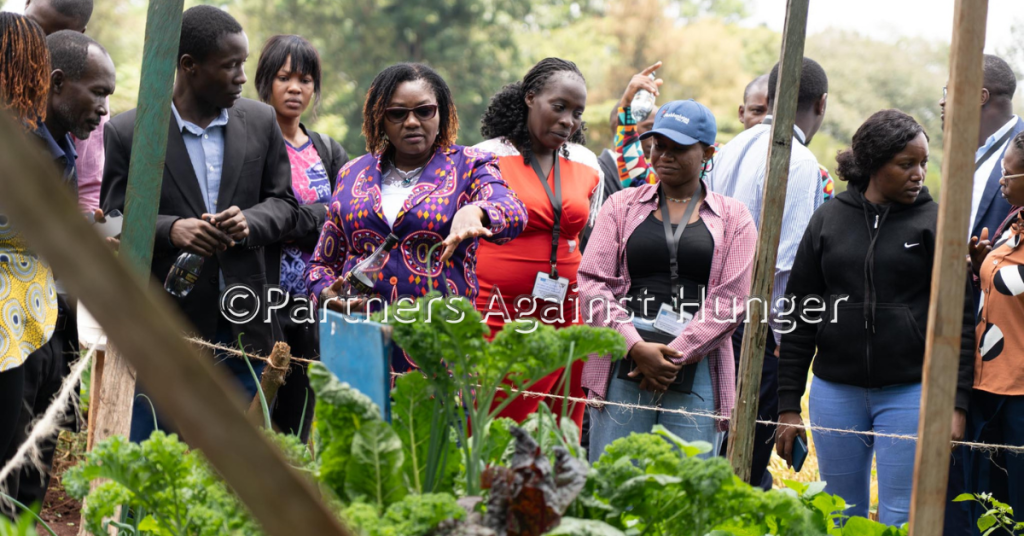
From supporting the production and promotion of indigenous vegetables to facilitating the development of upland rice innovations, her efforts ensured that participants experienced firsthand the value of research-driven approaches.
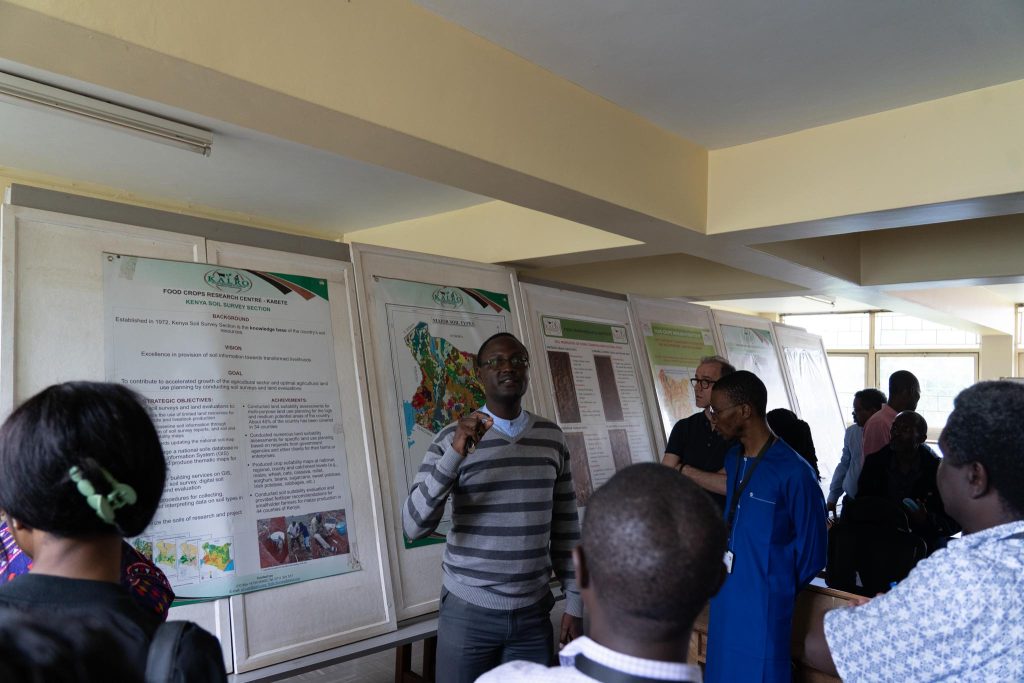
A standout example was the introduction of upland rice varieties such as CRAM 1 (ARICA 14), developed by AfricaRice. These varieties, known for their drought tolerance, early maturity, and resilience to pests and diseases, offer a promising pathway for climate-resilient food systems. The use of these varieties in food products such as bread further demonstrated their potential in enhancing dietary diversity.
Esther alongside her team at KALRO Kabete Center also played a key role in enabling agro-innovators to participate in exhibitions during KALRO Open Week events, creating valuable opportunities for market exposure, consumer feedback, and partnerships.
How is research being translated into real-world solutions?
The HD4A Midterm Workshop was not just a moment of reflection—it was a call to action. The interactions, field visits, and collaborative sessions reinforced the importance of strong partnerships, continuous learning, and inclusive innovation ecosystems.
As the project moves forward, the role of Living Labs like KALRO FCRC Kabete will remain central in bridging the gap between research and real-world application. At the same time, organizations like FSPN Africa will continue to play a pivotal role in nurturing innovators, scaling solutions, and connecting communities to healthier, more sustainable diets.
What does the future of healthy diets in Africa look like?
The energy and insights from the workshop point to a promising future, one where local innovations are scaled, communities are empowered, and food systems are transformed from the ground up. From nutrient-rich food products to climate-smart agricultural technologies, the solutions showcased in Kenya are a testament to what is possible when collaboration meets innovation and preparedness.
As partnerships deepen and investments grow, the vision of healthier diets for Africa is no longer just an aspiration—it is steadily becoming a reality.
We wish to extend our sincere gratitude to partners in HealthyDiets4Africa for gracing the day and our partners, Kenya Agricultural and Livestock Research Organization (KALRO) Kabete, through the Director, Dr. Caroline Agamala Kundu, for hosting us and supporting us as our Living Lab. We greatly acknowledge funding support from the European Union, which has made the realization of the outcomes so far.
For more information contact info@fspnafrica.org