
"Safe food is not just about preventing disease, it is the foundation of healthy diets, thriving businesses, resilient food systems, and sustainable development."
Food touches every aspect of our lives. It nourishes families, supports livelihoods, drives economies, and connects communities. Yet every meal should come with one fundamental assurance, it must be safe to eat.
To commemorate World Food Safety Day 2026, Food Security for Peace & Nutrition (FSPN) Africa, through the HealthyDiets4Africa (HD4A) project, joined three EU-funded research and innovation projects, FoodSafety4Africa, FCI4Africa, and the UPRISE Food Safety Project—to host the World Food Safety Day Symposium 2026 under the theme:
From Burden to Solutions – Safe Food Everywhere
The symposium brought together researchers, policymakers, entrepreneurs, innovators, development partners, food businesses, and academics from Africa and Europe to explore how science, innovation, and partnerships are transforming food safety systems and creating healthier, more resilient food systems across the continent.
Rather than focusing solely on the challenges, the symposium showcased practical, scalable solutions that are already improving food safety, reducing food loss, strengthening enterprises, and enhancing nutrition.
Why Food Safety Matters More Than Ever
Food safety is one of the world's most pressing public health and development challenges.
Every day, millions of people unknowingly consume food contaminated by bacteria, viruses, parasites, chemicals, or naturally occurring toxins. The consequences extend far beyond illness—they affect nutrition, education, productivity, trade, and economic growth.
According to the World Health Organization (WHO):
- 600 million people—nearly 1 in every 10 people globally—fall ill every year after eating contaminated food.
- Around 420,000 people die annually from foodborne diseases.
- Children under five years of age account for 125,000 deaths each year, representing almost 30% of all foodborne disease deaths, despite making up only about 9% of the world's population.
The economic costs are equally alarming. The World Bank estimates that unsafe food results in more than US$110 billion annually in lost productivity and healthcare expenses across low- and middle-income countries.
Food safety is therefore not only a health issue but also a critical driver of economic resilience, food security, and sustainable development.
Africa Carries the Highest Burden
Sub-Saharan Africa experiences one of the highest rates of foodborne diseases in the world.
According to the WHO Foodborne Disease Burden Epidemiology Reference Group (FERG), the African Region records the highest incidence of foodborne illnesses per capita globally. Millions of people suffer each year from illnesses linked to unsafe food, including diarrhoeal diseases, aflatoxin exposure, Salmonella infections, and other microbial hazards.
Several interconnected challenges continue to affect food safety across the region:
- Poor post-harvest handling and storage
- Inadequate food processing technologies
- Limited cold chain infrastructure
- Mycotoxin contamination in staple crops
- Weak food traceability systems
- Climate-related impacts on food production
- Limited awareness of good food hygiene practices
These issues not only threaten public health but also contribute to food loss, reduced incomes for farmers, barriers to trade, and increased healthcare costs.
As Africa's food systems continue to modernize, strengthening food safety will be essential for achieving food security and improving nutrition.
Food Safety in Kenya: Progress and Opportunities
Kenya has made significant strides in strengthening food safety through improved legislation, standards, surveillance, and institutional coordination.
Nevertheless, foodborne diseases remain an important public health concern.
Research has identified several persistent risks, including:
- Microbial contamination of fresh produce
- Aflatoxin contamination in maize and groundnuts
- Poor hygiene during food handling
- Inadequate storage conditions
- Informal food markets with limited food safety controls
As Kenya continues to expand value addition, agro-processing, and regional trade through the African Continental Free Trade Area (AfCFTA), strengthening food safety systems will be increasingly important for protecting consumers while enhancing market access for farmers and food businesses.
Collaboration Is Driving Change
Recognizing these challenges, the World Food Safety Day Symposium highlighted the importance of cross-sector collaboration in delivering practical solutions.
Participants explored how research and innovation are helping improve food safety through:
- Digital technologies for food safety monitoring
- Capacity building for food businesses
- Improved processing technologies
- Better risk communication
- Sustainable food production systems
- Knowledge sharing across research institutions
- Public-private partnerships
Throughout the discussions, one message emerged clearly:
Safe food is essential for healthier populations, stronger economies, sustainable businesses, and resilient food systems.
Achieving safe food for everyone requires collaboration across every stage of the food chain, from farm to fork.
A HealthyDiets4Africa Success Story: Innovation at Epique Foods
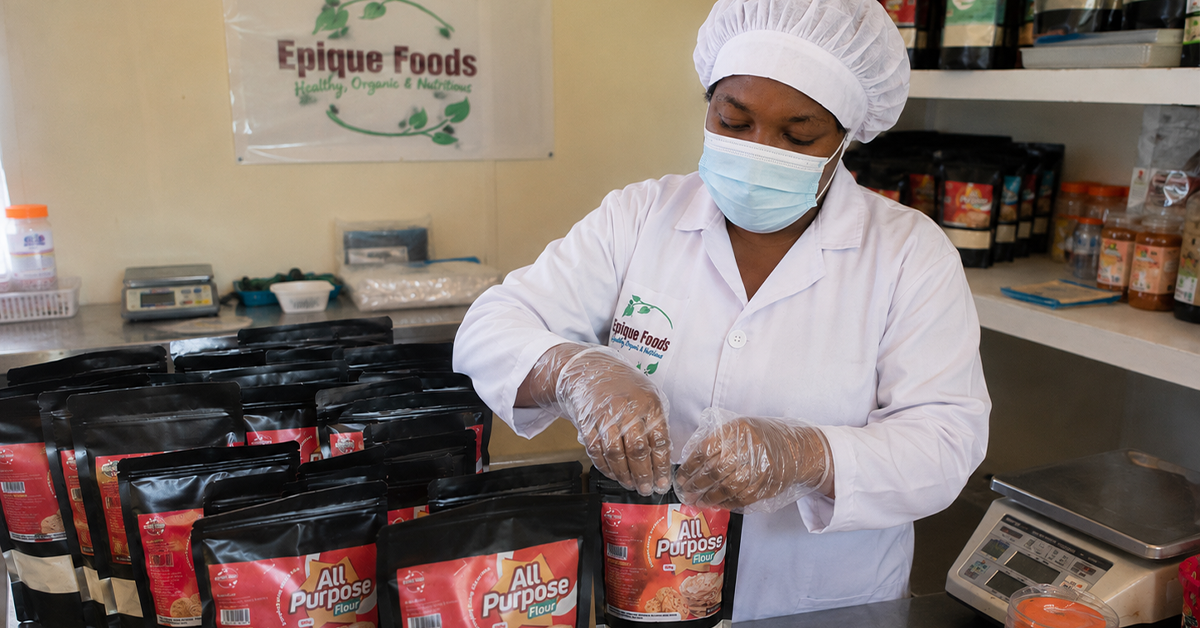
One of the symposium's most inspiring presentations came from Lilian Bitok, CEO of Epique Foods Limited and winner of the HealthyDiets4Africa Agribusiness Agri-innovator Challenge 2023.
Her story demonstrated how investing in the right technology can simultaneously improve food safety, increase productivity, reduce food loss, and create new business opportunities.
Before receiving support through the HealthyDiets4Africa Open Call, Epique Foods relied largely on traditional drying methods.
These methods exposed products to:
- Dust
- Insects
- Environmental contamination
- Inconsistent drying conditions
- Spoilage
- Production delays
The business was unable to meet the growing demand for gluten-free flour products while maintaining consistent quality and food safety standards.
A Simple Innovation with Transformational Results
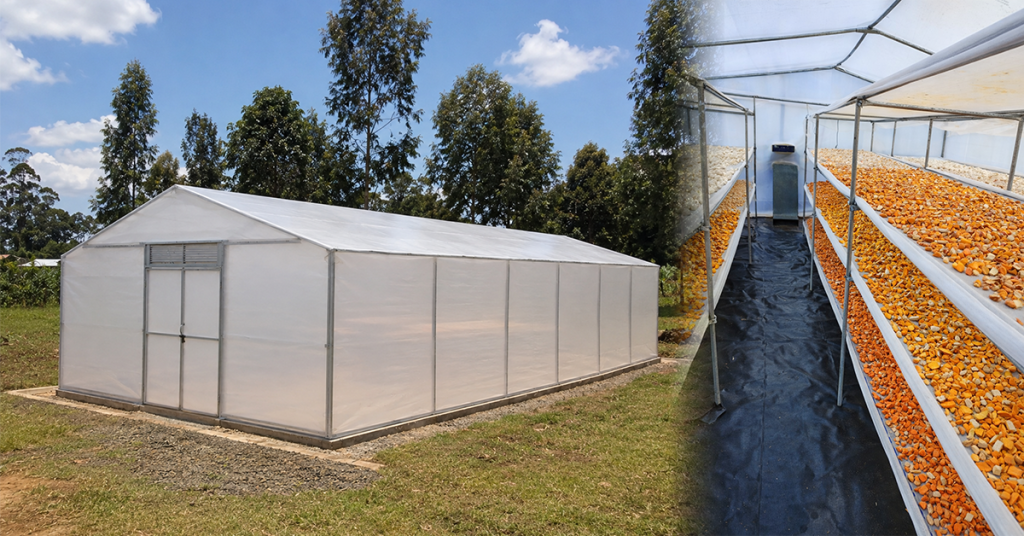
Support from the HealthyDiets4Africa project enabled Epique Foods to invest in a modern solar drying system.
Unlike traditional open-air drying, the solar dryer provides:
- A covered and controlled drying environment
- Better moisture control
- Reduced contamination risks
- Improved product consistency
- Enhanced food safety
- Faster drying times
Implementing the technology also involved strengthening quality assurance systems, training staff, optimizing drying parameters, and validating product quality to ensure consumer confidence.
Measurable Impact
The results illustrate how innovation can transform food systems.
The improved drying system has delivered remarkable outcomes, including:
- Up to 99% reduction in raw material spoilage
- Reduced microbial growth
- Longer product shelf life
- Increased processing capacity from approximately 20 kg to 1.5 tonnes per drying cycle
- Faster production turnaround
- Greater availability of safe gluten-free products
Beyond improving existing products, the innovation has enabled the company to diversify into:
- Butternut flour
- Carrot flour
- Beetroot flour
- Potato starch
- Mushroom soup mixes
- Herbal tea products
Importantly, the solar dryer is also available for use by other food processors operating within the same production ecosystem, creating opportunities for wider impact beyond a single enterprise.
Innovation That Benefits Entire Food Systems
The Epique Foods story illustrates how relatively modest investments can generate significant returns.
A $1,935 investment in solar drying technology has become a catalyst for:
- Safer food
- Reduced post-harvest losses
- Improved food quality
- Higher incomes
- Greater business resilience
- Increased availability of nutritious products
- Stronger local value chains
As highlighted during the symposium, innovation is not only about introducing new technologies—it is about creating practical solutions that improve lives, strengthen businesses, and build more resilient food systems.
Building Safer Food Systems Together
Food safety cannot be achieved by one institution alone.
Every stakeholder has an important role to play:
- Farmers adopting Good Agricultural Practices.
- Processors implementing Good Manufacturing Practices.
- Transporters maintaining safe handling and cold chains.
- Retailers protecting food quality.
- Regulators enforcing standards.
- Researchers generating evidence.
- Consumers practicing safe food handling at home.
Together, these actions create a food system where safety is embedded at every stage—from farm to fork.
Looking Ahead
As Africa continues to transform its food systems, investments in food safety will remain essential for improving nutrition, reducing food loss, increasing trade opportunities, and protecting public health.
Through the HealthyDiets4Africa project and partnerships with regional and international stakeholders, FSPN Africa remains committed to supporting evidence-based solutions, innovation, capacity strengthening, and knowledge sharing that contribute to healthier diets and safer food systems across Africa.
The World Food Safety Day Symposium 2026 demonstrated that while food safety challenges remain significant, practical solutions already exist. By working together across sectors and borders, we can transform scientific knowledge into real-world impact—ensuring that safe food is available to everyone, everywhere.
Key Takeaways
- 600 million people fall ill from unsafe food every year.
- 420,000 people die annually from foodborne diseases.
- Sub-Saharan Africa bears one of the highest burdens of foodborne illness globally.
- Innovation and collaboration are essential to strengthening food safety systems.
- HealthyDiets4Africa is supporting practical innovations—such as solar drying technologies—that improve food safety, reduce food losses, and enhance nutrition across Africa.
Learn More
To learn more about the HealthyDiets4Africa project and FSPN Africa's work in promoting safe, nutritious, and sustainable food systems, visit:
🌐 https://healthydiets4africa.eu
Follow us on our social media platforms for the latest updates, research, innovations, and opportunities to engage in building healthier diets and safer food systems across Africa.
References
- Grace, D. (2015). Food Safety in Low- and Middle-Income Countries. International Journal of Environmental Research and Public Health, 12(9), 10490–10507.
- Havelaar, A. H., et al. (2015). World Health Organization Global Estimates and Regional Comparisons of the Burden of Foodborne Disease. PLoS Medicine, 12(12).
- Jaffee, S., Henson, S., Unnevehr, L., Grace, D., & Cassou, E. (2019). The Safe Food Imperative. World Bank.
- World Bank. (2019). The Safe Food Imperative: Accelerating Progress in Low- and Middle-Income Countries.
- World Health Organization. (2022). Food Safety Fact Sheet.
- FAO & WHO. (2022). Codex Alimentarius Commission: Food Safety and Quality.